

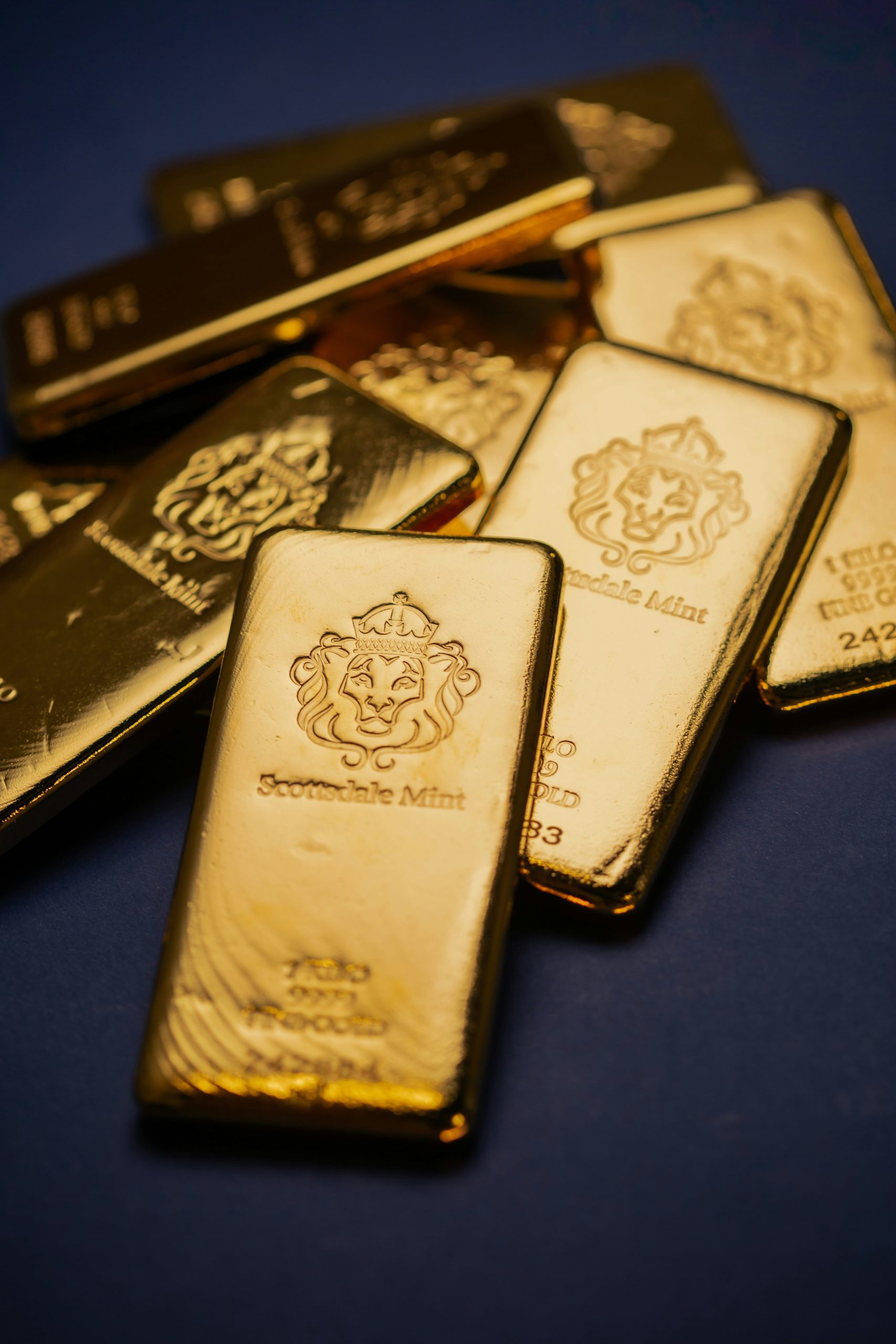
If you’re just starting to look at gold and silver, you’ll quickly run into the word “bullion.”
But what is bullion, exactly? And how is it different from jewelry or collectible coins?
This simple guide will walk you through:
- What bullion means
- The difference between gold bullion and silver bullion
- How bullion is sold (coins, bars, and rounds)
- Why people buy bullion in the first place
- Easy steps to start buying bullion safely
Let’s keep it simple and clear.
What Is Bullion?
Bullion is precious metal in its investment form – usually gold, silver, platinum, or palladium that is:
- Very pure (often 99.9% or higher)
- Measured by weight (like 1 oz, 10 oz, 1 kilo)
- Sold mainly for its metal value, not for artwork or collectibility
Bullion can come as:
- Coins – government-minted pieces with a face value (like $50), but the metal is worth more than the number printed on the coin.
- Bars – simple rectangular bars, often from private or government mints.
- Rounds – coin-shaped pieces made by private mints, but not legal tender.
When people say they “own bullion,” they usually mean they own physical gold or silver in one of these forms.
Gold Bullion vs. Silver Bullion
Both gold bullion and silver bullion are popular with new buyers, but they each have their own personality.
Gold Bullion
- Higher value in a small space – a 1 oz gold coin can be worth thousands.
- Often used as a store of wealth or hedge against inflation.
- Easier to store large value in a small, private way.
Gold is usually chosen by people who want a compact, long-term wealth anchor.
Silver Bullion
- Lower price per ounce, so it’s easier to start with a small budget.
- More volatile (up and down) in price than gold.
- Used heavily in industry (electronics, solar, medical), which can help drive demand.
Silver is often chosen by people who want to accumulate many ounces and like the idea of owning “more metal” physically.
You don’t have to pick only one – many investors hold both gold and silver bullion.
How Bullion Is Priced: Spot Price vs. Premium
To understand bullion, you need to know two key phrases:
- Spot Price
- The current market price for one ounce of pure metal (like gold or silver) for immediate delivery.
- This is the base price you see on charts and tickers.
- Premium
- The extra amount you pay above spot to get a real product.
- Covers minting, design, distribution, dealer costs, and sometimes brand recognition.
Example:
If the spot price of silver is $25/oz and a 1 oz silver coin costs $30, then the premium is $5.
Your total price = spot price + premium.
Different products have different premiums:
- Government coins (like American Eagles, Maple Leafs) usually have higher premiums but also excellent recognition and liquidity.
- Private mint bars/rounds often have lower premiums, which can be good for stacking as much metal as possible for your money.
Coins, Bars, and Rounds: Which Bullion Form Is Best?
There’s no single “best” form of bullion. It depends on your goals:
Bullion Coins
- Made by national mints (USA, Canada, UK, etc.)
- Legal tender (have a face value, like $1 or $50)
- Very recognizable and easy to sell
- Usually carry a higher premium
Great for:
People who want highly trusted, easy-to-sell bullion.
Bullion Bars
- Simple, rectangular pieces of pure metal
- Can be 1 gram up to 1 kilo or more
- Often have lower premiums than coins
- Must come from trusted brands (for easier resale)
Great for:
People who want maximum ounces per dollar.
Bullion Rounds
- Look like coins but not legal tender
- Made by private mints
- Often cheaper than government coins
- Designs can vary widely
Great for:
People who want a balance between lower premiums and collectible designs.
Why Do People Buy Bullion?
There are many reasons people choose to own physical gold and silver bullion. Here are some of the main ones:
- Wealth Protection
- Precious metals have been used as a store of value for thousands of years.
- They don’t depend on the health of a single company or bank.
- Hedge Against Inflation
- Over long periods, metals can help protect purchasing power as paper currencies lose value.
- Diversification
- Holding some bullion alongside stocks, bonds, or real estate can help spread risk.
- Tangible Asset
- You can hold it in your hand.
- There’s no password or online account required for the metal to exist.
- Privacy
- Physical bullion can offer a level of privacy that many digital assets do not.
How to Start Buying Bullion in 5 Simple Steps
If you’re a new buyer, here’s a simple path:
1. Set Your Budget
Decide how much you’re comfortable spending to get started.
It could be as small as the price of a few silver coins, or enough to buy a gold coin or bar.
2. Choose Your Metal: Gold, Silver, or Both
Ask yourself:
- Do I want a smaller, high-value stack (gold)?
- Or a bigger pile of metal for the same money (silver)?
- Or a mix of both?
Many beginners start with silver and add gold as they go.
3. Pick a Product Type
For first-time buyers, some popular choices are:
- 1 oz gold coins (like Eagles or Maples)
- 1 oz silver coins or rounds
- 10 oz silver bars for value stacking
Look for clearly labeled purity and weight (for example “1 oz .9999 fine gold”).
4. Choose a Trusted Dealer
Make sure your dealer:
- Shows clear pricing (spot + premium)
- Has good reviews and a professional website
- Uses insured shipping and discreet packaging
If you’re ready to explore, you can browse gold and silver bullion directly on AbsoluteBullion.com.
5. Decide How You’ll Store Your Bullion
Before you click “buy,” think about storage:
- Small home safe
- Bank safe deposit box
- Professional vault / depository
Pick a method that balances security, access, and cost.
Common Mistakes New Bullion Buyers Should Avoid
To save yourself stress, watch out for these easy-to-avoid mistakes:
1. Chasing Hype or Panic
Don’t buy just because of a scary headline or someone shouting “BUY NOW!”
Stick to a calm, long-term plan.
2. Ignoring Premiums
A low spot price doesn’t always mean a good deal.
Check the total price and compare premiums across different products.
3. Overpaying for “Fancy” Collectibles
If you’re buying for investment, be careful with fancy, “limited edition” or heavily marketed coins that carry huge markups.
Start with simple, well-known bullion first.
4. Forgetting About Storage
Don’t end up with a pile of metal and nowhere safe to put it.
Plan storage before your order arrives.
5. Not Keeping Records
Keep a simple list of:
- What you bought
- When you bought it
- How much you paid
This helps for tracking your progress and for tax or estate planning later.
FAQ: Quick Answers for New Bullion Buyers
Q: Is bullion the same as jewelry?
A: No. Jewelry includes design, labor, and branding. Bullion is mainly about metal content and purity.
Q: Can I buy just a small amount to start?
A: Yes. Many people start with a few ounces of silver or a fractional gold coin and build from there.
Q: Do I have to be rich to buy gold bullion?
A: Not at all. You can start with small pieces and grow your stack over time.
Q: Is it better to buy locally or online?
A: Both can work. Online dealers (like Absolute Bullion) can offer live pricing, a wider selection, and insured shipping.
Final Thoughts: Start Simple, Learn as You Go
Bullion doesn’t have to be mysterious or complicated.
At its core, bullion is simply pure gold or silver in a form that’s easy to weigh, price, and trade. For new buyers, the key is to:
- Start with a clear budget
- Choose trusted, well-known bullion products
- Buy from a reputable dealer
- Have a storage plan and a long-term mindset
If you’re ready to explore gold and silver bullion for yourself, you can:
- Browse live-priced products
- Compare coins, rounds, and bars
- And take your first steps into the bullion world
—all right here at AbsoluteBullion.com.